If you’re planning a project that calls for a concrete slab, it helps to know the cost before you start. Installed concrete slabs typically run between $10 and $18 per square foot, depending on size, thickness, and a few other factors. For a common 30 by 30 foot slab, you can expect to spend roughly $3,600 to $10,800.
Your final price will depend on the type of slab, labor, location, and how much prep work the site needs. Knowing these factors up front makes it easier to set a realistic budget and avoid surprises later. Whether you’re pouring a driveway, a patio, or a foundation, good information can save you both time and money.
For a clearer picture of what your project might cost in Central Ohio, call Royal Concrete at 614-787-2827 for a free consultation. We serve Columbus and the surrounding areas, handling residential and commercial concrete projects of all kinds.
Key Takeaways
- Concrete slab costs range widely based on size and thickness.
- Labor and site preparation affect the total price.
- Different slab types and finishes impact the cost.
Concrete Slab Cost Overview
Knowing what a concrete slab costs per square foot, and what drives the total price, makes it much easier to plan your budget. The size of your project and where you live both affect how much you’ll spend, along with labor, materials, and local market conditions.
Average Cost Per Square Foot
Concrete slab costs vary quite a bit, typically from $4 to $16 per square foot depending on whether you’re paying for materials only or for full installation. With professional installation, most projects land somewhere between $10 and $18 per square foot.
Thickness, finish quality, and the type of reinforcement all influence where your project falls in that range. A thicker slab or a premium finish will raise the price per square foot, and complex or custom work often runs $15 to $18 per square foot.
Project Size and Total Pricing
Size is the biggest factor in your total cost. A standard 30 by 30 foot slab can cost anywhere from $3,600 to $10,800 installed. Smaller slabs often cost more per square foot because certain labor costs stay the same no matter how small the job is.
Most slabs are between 4 and 8 inches thick, and material costs go up as the slab gets thicker. You’ll also need to account for labor, site prep, and any equipment your contractor has to bring in. These pieces can change your total by thousands of dollars, so it pays to look beyond the cost of the concrete itself.
Concrete Slab Price by Location
Where you live can make a big difference in what you pay. Labor rates, material availability, and local regulations all vary from one area to the next. Urban areas tend to cost more because of higher wages and permit fees.
Demand plays a role too, since slabs often cost more in busy markets. Rural areas may offer cheaper labor but higher delivery fees for materials. It’s also worth checking whether your area has environmental or safety requirements, since meeting them can add to the cost.
In some climates, you may need extra insulation or reinforcement, which raises the price as well. The best way to understand what your slab will cost is to get quotes from local contractors.
Key Factors That Influence Concrete Slab Costs
Several important elements affect the price you pay for a concrete slab. These include the size and thickness of your slab, the type of reinforcement materials used, the labor involved in installation, and the condition of your soil and work site. Understanding these factors will help you plan your budget more accurately.
Slab Thickness and Dimensions
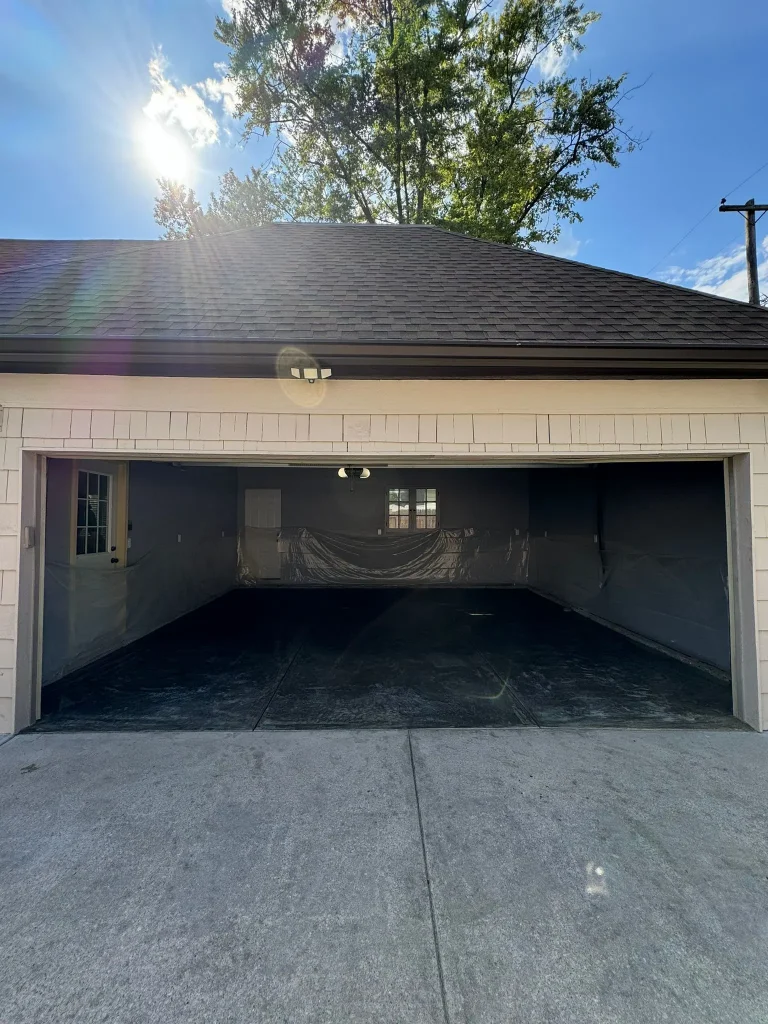
The dimensions of your concrete slab directly impact the amount of material needed, which affects cost. Thicker slabs require more concrete, raising expenses. For example, a standard 4-inch slab is common for patios or walkways, while a garage or heavy-use floor may need 6 inches or more.
Larger slabs increase not just material costs but also installation time. When planning your slab size, consider both the length and width carefully to control total cost. Keep in mind that going thicker than necessary raises the price without adding value if your slab won’t face heavy loads.
Reinforcement Materials
Reinforcement helps prevent cracking and adds strength to your slab. Two popular options are rebar and wire mesh. Rebar is steel bars placed inside the slab and often used for heavy-load foundations and driveways. Wire mesh is a grid of steel wires, common for lighter slabs like patios.
Choosing reinforcement depends on the slab’s purpose. Rebar is more expensive than wire mesh but offers better support. Skipping reinforcement can reduce upfront costs but can lead to costly repairs later if cracks form. The cost to pour a concrete slab increases with stronger reinforcement materials.
Labor and Installation
Labor usually makes up about 40 to 50 percent of your total concrete slab cost. Skilled workers are needed to properly pour, level, and finish the slab. Complex shapes or tight deadlines can increase labor costs.
The time to complete your slab also varies by size and thickness. Pouring and curing thicker slabs takes longer, which in turn raises labor charges. Make sure your contractor is experienced to avoid errors that might require costly fixes.
Soil and Site Conditions
The type and condition of your soil affect the site preparation needed before pouring the slab. Poor soil may need excavation, leveling, or adding gravel for a stable base. These steps add to the overall cost.
If your site is uneven, rocky, or has poor drainage, expect higher expenses. Preparing the ground properly is key to slab durability but can significantly increase your budget. Always factor in soil testing and any needed adjustments when calculating your concrete slab cost.

Types of Concrete Slabs and Their Pricing
When planning a concrete project, knowing the types of slabs available helps you decide the best fit and budget. Each slab type differs in installation complexity, purpose, and cost.
Monolithic Slab and Floating Slab
A monolithic slab is poured all at once, combining the foundation and floor in a single step. This method is efficient for homes or garages where speed and simplicity matter. It typically costs around $4 to $8 per square foot, depending on thickness and local rates.
A floating slab is not attached to the foundation walls or footings. Instead, it floats above the ground, making it ideal for sheds, patios, or driveways. Floating slabs are often less expensive due to less excavation and reinforcement needed.
Both types usually range from 4 to 6 inches thick but can vary based on load and soil conditions. You should factor in local labor costs and material prices when comparing options.
Concrete Slab Foundation
A concrete slab foundation serves as a structural base for homes or buildings. It’s a flat, thick slab, generally 4 to 8 inches deep, poured directly onto the ground. This slab type provides stability and can reduce construction time since it eliminates the need for a full basement or crawlspace.
Expect slab foundation costs to range between $4,500 and $12,000 or about $6 to $12 per square foot installed, based on the size of your home, soil preparation, and local labor fees. Reinforcement like rebar or wire mesh is usually included to strengthen the slab.
This slab foundation is common in warm climates and is popular for one-story homes, garages, and patios. When budgeting, remember to consider excavation or drainage requirements that may add to the cost.
Precast and Specialty Slabs
Precast slabs are made off-site, cured in a factory, and transported to your location for installation. This method lowers labor time on-site but raises material and transportation costs. Precast slabs suit projects needing quick setup or specific slab shapes.
Prices for precast slabs often start around $10 per square foot but can vary widely. They are ideal when uniformity and speed matter, such as small commercial projects or modular buildings.
Specialty slabs include decorative finishes, thicker slabs for heavy loads, or slabs with embedded conduits. These add-ons increase the concrete slabs cost. They are best when durability or aesthetics are essential and may push costs above the basic slab foundation price range.
Additional Cost Considerations and Upgrades
When planning your concrete slab, keep in mind that the type of concrete, finishing style, and size or purpose of your project will affect the total price. Each of these factors impacts material costs, labor needs, and durability in different ways.
Concrete Grades and Mix Types
The grade and type of concrete you choose change your price and performance. Standard concrete is usually fine for most patios, garage slabs, or shed slabs. However, if you need extra strength or durability, high-strength or high-performance concrete is a better option but costs more.
Special mixes like ultra high-performance concrete or self-consolidating concrete give added benefits like faster curing or better flow, raising the price further. Permeable concrete is useful if drainage is a concern in your area.
Your local concrete contractor can advise on the best grade based on freeze-thaw cycles where you live. In short, higher-grade mixes cost more but can increase slab life and reduce maintenance.
Concrete Finishes and Decorative Options
Concrete finishes affect both the look and price of your slab. Simple broom finishes are common and cost the least. Stamped concrete adds patterns or textures resembling stone or brick, and this can increase your cost by about 20 to 50 percent. Colored concrete lets you customize your slab and usually adds a small percentage to the price.
If you want to resurface an old slab, concrete resurfacing cost depends on surface preparation and finish type. Decorative upgrades require skilled labor, impacting installation cost. Some finishes also improve slip resistance or weather resistance, adding value.
These finish choices can make your patio, driveway, or garage slab more attractive and functional.
Project-Specific Pricing Examples
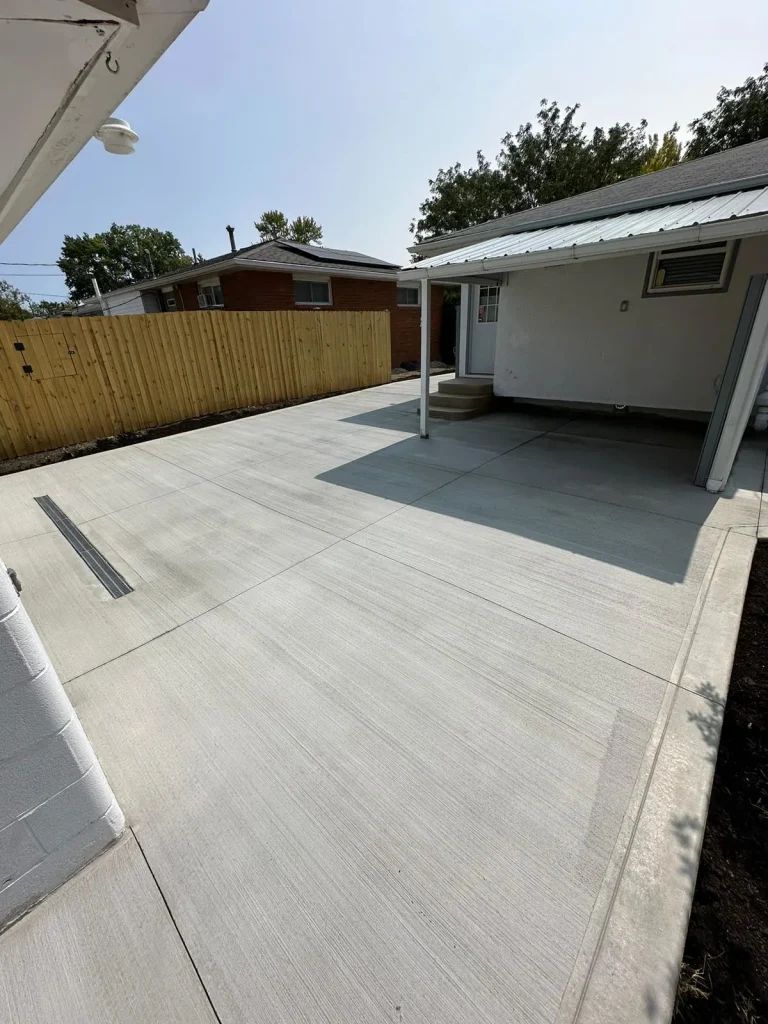
Costs vary based on slab size and use. A typical patio can cost $12 to $16 per square foot including materials and labor. Garage slabs, which need to support heavier loads, often lean toward the higher end with thicker pours and reinforcement.
Additional charges come from site prep, rebar, permits, and drainage solutions. Knowing the project scope helps your contractor provide a precise estimate. Always ask about potential upgrades or hidden costs before beginning the job.
If you’re in Columbus, OH, and want expert advice or a detailed estimate, Royal Concrete offers free consultations to help you get started. Call Royal Concrete at 614-787-2827 for personalized service and reliable pricing information.